

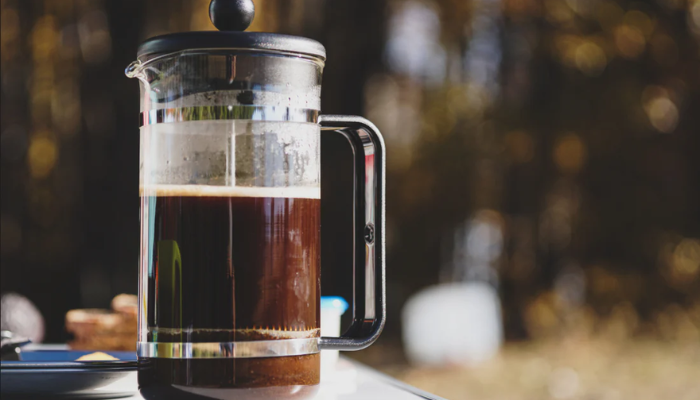
If you’re passionate about brewing coffee at home, finding the best ground coffee for cafetiere UK can completely transform your daily ritual. A cafetiere, also known as a French press, is beloved for its ability to produce a full-bodied, aromatic cup that highlights the true character of coffee beans. But the secret lies not just in the brewing method—it’s also in choosing the right grind and blend.
In the UK, coffee culture has evolved rapidly, with an abundance of high-quality options available. From bold dark roasts to smooth medium blends, the choices can be overwhelming. This guide will help you navigate the world of ground coffee specifically tailored for cafetiere use, ensuring every cup you brew is rich, balanced, and satisfying.
Understanding What Makes the Best Ground Coffee for Cafetiere UK
Choosing the best ground coffee for cafetiere UK starts with understanding grind size. Cafetieres require a coarse grind, which allows for proper extraction during the steeping process. Fine grounds can slip through the filter, resulting in a gritty texture and over-extracted bitterness. A coarse grind, on the other hand, produces a clean, smooth cup with well-defined flavors.
Another key factor is freshness. Coffee begins to lose its aroma and flavor shortly after grinding. In the UK market, many brands now package their coffee in airtight, nitrogen-flushed bags to preserve freshness. When selecting your coffee, look for roast dates rather than expiration dates—this ensures you’re getting the most vibrant flavors possible.
Top Flavor Profiles to Look for in Cafetiere Coffee
When searching for the best ground coffee for cafetiere UK, flavor profile plays a major role. Cafetieres excel at extracting oils and subtle notes, making them ideal for coffees with complex profiles. Popular options include chocolatey, nutty, and caramel notes, which create a comforting and well-rounded cup.
For those who prefer something brighter, fruity and floral coffees are also excellent choices. These profiles often come from African beans and can offer hints of berries, citrus, or even jasmine. The immersion brewing method of a cafetiere allows these delicate flavors to shine without being overshadowed by acidity.
Best Roast Levels for Cafetiere Brewing in the UK
Roast level significantly impacts the final taste of your coffee. Medium roasts are often considered the best ground coffee for cafetiere UK because they strike a perfect balance between acidity and body. They retain the bean’s natural flavors while adding a touch of sweetness from the roasting process.
Dark roasts, however, are ideal for those who enjoy a bold and intense cup. These coffees tend to have smoky, chocolatey notes and a heavier body. While they may lack the complexity of lighter roasts, they deliver a satisfying richness that many cafetiere users appreciate. Ultimately, the best roast level depends on your personal taste preferences.
Popular Brands Offering the Best Ground Coffee for Cafetiere UK
The UK market offers a wide range of brands that cater specifically to cafetiere brewing. Many specialty roasters focus on coarse-ground blends designed to enhance the French press experience. These brands often source ethically grown beans and roast them in small batches to ensure quality.
Supermarket options have also improved significantly, with several affordable yet high-quality choices available. While premium brands may offer more nuanced flavors, budget-friendly options can still deliver a satisfying cup when brewed correctly. The key is to experiment with different brands until you find the one that suits your palate best.
Tips for Brewing the Perfect Cafetiere Coffee at Home
Even the best ground coffee for cafetiere UK won’t shine without proper brewing techniques. Start by using freshly boiled water that has cooled slightly (around 92–96°C). This temperature range ensures optimal extraction without burning the coffee.
Measure your coffee carefully—typically one tablespoon per 200ml of water. Allow the coffee to bloom for 30 seconds after adding water, then stir gently and let it steep for 3–4 minutes. Press the plunger slowly and pour immediately to avoid over-extraction. With practice, these small adjustments can make a big difference in your final cup.
Conclusion: Elevate Your Coffee Experience with the Right Choice
Finding the best ground coffee for cafetiere UK is a journey of taste, experimentation, and personal preference. By understanding grind size, roast levels, and flavor profiles, you can make informed choices that elevate your coffee experience. Whether you prefer a bold dark roast or a bright, fruity blend, the perfect cup is within reach.
A cafetiere offers a simple yet powerful way to enjoy coffee at its finest. With the right ground coffee and proper brewing techniques, every cup can become a moment of indulgence. Take the time to explore different options, and you’ll soon discover your ideal brew.
FAQs About Best Ground Coffee for Cafetiere UK
1. What grind size is best for cafetiere coffee?
A coarse grind is ideal, as it prevents over-extraction and keeps sediment to a minimum.
2. Can I use regular ground coffee in a cafetiere?
You can, but it’s not recommended. Fine grounds can make the coffee bitter and gritty.
3. How much coffee should I use in a cafetiere?
A common ratio is one tablespoon of coffee per 200ml of water.
4. What roast level is best for cafetiere brewing?
Medium roasts are most জনপ্রar, but dark roasts work well for a stronger flavor.
5. How long should I steep coffee in a cafetiere?
Typically 3–4 minutes for optimal flavor extraction.
6. Is fresh coffee important for cafetiere brewing?
Yes, fresh coffee provides better aroma and taste.
7. Can I reheat cafetiere coffee?
It’s best consumed fresh, as reheating can alter the flavor.
8. Are there UK brands specifically for cafetiere coffee?
Yes, many UK roasters offer blends tailored for French press brewing.
9. Does water quality affect cafetiere coffee?
Absolutely. Filtered water can improve taste significantly.
10. How do I clean a cafetiere properly?
Rinse thoroughly after each use and occasionally deep clean with warm soapy water to remove oils.