

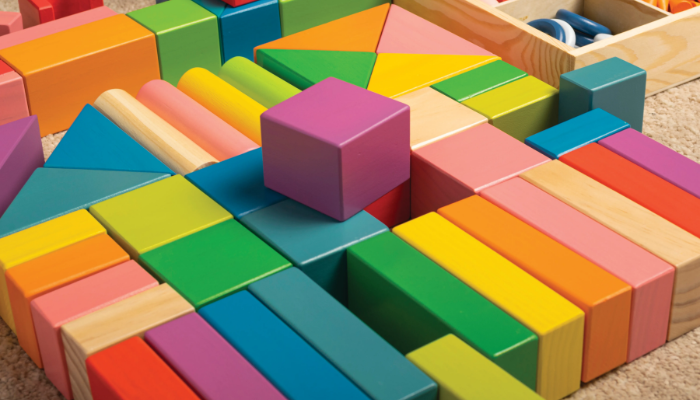
Wooden blocks have stood the test of time as one of the most versatile and beloved toys in the world. From simple stacking games to complex architectural creations, these classic play tools inspire imagination, enhance learning, and encourage hands-on exploration. Whether you’re a parent, educator, or simply someone interested in developmental play, wooden blocks offer far more than just entertainment—they are foundational tools for growth.
In today’s fast-paced digital age, the charm of wooden blocks remains unmatched. Their simplicity allows children to explore creativity without limitations, while their durability ensures they last for generations. This article dives deep into everything you need to know about wooden blocks, including their benefits, types, uses, and why they remain essential in modern play environments.
The Timeless Appeal of Wooden Blocks
Wooden blocks have been a staple in children’s playrooms for centuries, and their enduring popularity is no accident. Unlike many modern toys that rely on batteries or screens, wooden blocks offer open-ended play. This means children can use them in countless ways, from building towers and bridges to creating imaginative worlds.
Another key reason for their lasting appeal is their simplicity. Wooden blocks do not dictate how they should be used, allowing children to take full control of their play experience. This freedom fosters creativity and problem-solving skills, which are crucial during early development stages. Children learn through trial and error, experimenting with balance, structure, and design.
Moreover, wooden blocks are aesthetically pleasing and often crafted from natural materials. Their tactile quality provides a sensory experience that plastic toys simply cannot replicate. The weight, texture, and even the subtle scent of wood contribute to a richer, more engaging playtime.
Developmental Benefits of Wooden Blocks
One of the most significant advantages of wooden blocks is their ability to support early childhood development. When children play with blocks, they engage multiple areas of the brain simultaneously. This kind of play enhances cognitive skills such as spatial awareness, mathematical thinking, and logical reasoning.
For example, stacking blocks teaches children about gravity, balance, and symmetry. They begin to understand cause and effect—what happens when a structure is unstable or when too much weight is added. These lessons are foundational for later learning in subjects like physics and engineering.
In addition to cognitive benefits, wooden blocks also support physical development. Handling blocks helps improve fine motor skills and hand-eye coordination. As children grasp, stack, and arrange blocks, they strengthen the small muscles in their hands and fingers, preparing them for tasks like writing and drawing.
Social and emotional development is another area where wooden blocks shine. When children play together, they learn cooperation, communication, and teamwork. They may negotiate roles, share ideas, or work collaboratively on a project, building essential interpersonal skills.
Different Types of Wooden Blocks
Not all wooden blocks are created equal. There is a wide variety of block types available, each designed to serve different purposes and age groups. Understanding these variations can help you choose the best option for your needs.
Classic unit blocks are among the most popular types. These are typically uniform in size and shape, allowing for consistent stacking and construction. They are ideal for educational settings and are often used in classrooms to teach basic math concepts and spatial reasoning.
Then there are alphabet and number blocks, which combine play with learning. These blocks feature letters, numbers, or images, making them excellent tools for early literacy and numeracy development. Children can form words, recognize patterns, and associate symbols with meanings.
Specialty blocks, such as magnetic wooden blocks or themed sets, add another layer of creativity. These may include unique shapes, colors, or connectors that allow for more complex structures. While they introduce additional elements, they still retain the core benefits of traditional wooden blocks.
Creative Play Ideas with Wooden Blocks
Wooden blocks are incredibly versatile, offering endless possibilities for creative play. One simple yet effective activity is building challenges. You can ask children to construct the tallest tower, the strongest bridge, or a specific shape. These challenges encourage critical thinking and experimentation.
Another engaging idea is storytelling through block play. Children can create scenes using blocks as props—perhaps building a castle, a city, or a farm. They can then invent stories around their creations, enhancing their imagination and language skills.
You can also incorporate wooden blocks into educational games. For instance, sorting blocks by size, color, or shape can help younger children develop classification skills. Older children can use blocks to explore basic math concepts, such as counting, addition, and subtraction.
Group activities with wooden blocks are equally valuable. Collaborative building projects teach children how to work as a team, share resources, and communicate effectively. These experiences are crucial for developing social skills and emotional intelligence.
Choosing the Right Wooden Blocks
Selecting the right set of wooden blocks can make a significant difference in the quality of play and learning. One of the first factors to consider is safety. Ensure that the blocks are made from non-toxic materials and have smooth edges to prevent injuries.
Size and weight are also important considerations. Larger blocks are better suited for younger children, as they are easier to handle and pose less of a choking hazard. Older children may benefit from smaller, more detailed blocks that allow for intricate designs.
Durability is another key factor. High-quality wooden blocks should be able to withstand rough play without cracking or splintering. Investing in a well-made set ensures that the blocks will last for years, making them a cost-effective choice.
Finally, consider the purpose of the blocks. Are they intended for free play, educational use, or both? Some sets are specifically designed for learning, featuring numbers, letters, or patterns. Others focus on open-ended creativity. Choosing the right type depends on your goals and the child’s interests.
Conclusion
Wooden blocks are far more than just simple toys—they are powerful tools for learning, creativity, and development. Their timeless appeal lies in their versatility, durability, and ability to engage children in meaningful play. From enhancing cognitive and physical skills to fostering social interaction, wooden blocks offer benefits that extend far beyond the playroom.
In a world increasingly dominated by digital entertainment, wooden blocks provide a refreshing alternative that encourages hands-on exploration and imagination. Whether used at home or in educational settings, they remain an essential resource for nurturing well-rounded development in children of all ages.
FAQs About Wooden Blocks
1. What age are wooden blocks suitable for?
Wooden blocks are suitable for children as young as 1 year old, with age-appropriate sizes and designs.
2. Are wooden blocks safe for toddlers?
Yes, as long as they are made from non-toxic materials and have smooth, rounded edges.
3. How do wooden blocks help child development?
They improve cognitive skills, motor abilities, creativity, and social interaction.
4. What are the best types of wooden blocks for beginners?
Large, simple unit blocks are ideal for beginners due to their ease of use.
5. Can wooden blocks be used for educational purposes?
Absolutely. They are excellent for teaching math, language, and problem-solving skills.
6. How do I clean wooden blocks?
Wipe them with a damp cloth and mild soap. Avoid soaking them in water.
7. Are wooden blocks better than plastic toys?
Wooden blocks are often more durable, eco-friendly, and promote open-ended play.
8. Can wooden blocks improve creativity?
Yes, their open-ended nature encourages imaginative and creative thinking.
9. How many blocks should a set include?
A good set typically includes 50–100 pieces for versatile play.
10. Are wooden blocks environmentally friendly?
Yes, especially if made from sustainably sourced wood and finished with non-toxic materials.