

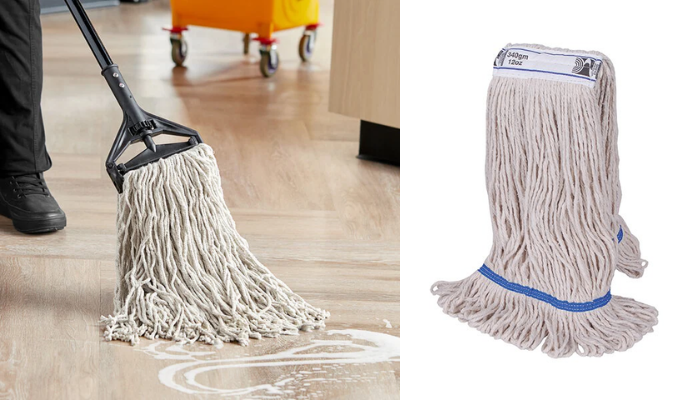
A mop head might seem like a simple household item, but it plays a critical role in maintaining clean, hygienic, and polished floors. Whether you’re tackling everyday dust or deep-cleaning stubborn grime, the right mop head can make all the difference. From microfiber innovations to traditional cotton strands, modern mop heads are designed to suit a variety of surfaces and cleaning needs.
In today’s fast-paced world, efficiency matters more than ever. Choosing the correct mop head not only saves time but also improves cleaning performance and extends the life of your floors. This comprehensive guide explores everything you need to know about mop heads—from types and materials to maintenance tips and buying advice—so you can make an informed decision and achieve spotless results every time.
Understanding Different Types of Mop Heads
When it comes to cleaning tools, not all mop heads are created equal. Each type is designed with a specific purpose in mind, making it important to choose one that aligns with your cleaning requirements. The most common types include string mop heads, flat mop heads, sponge mop heads, and dust mop heads.
String mop heads, often made of cotton or synthetic blends, are ideal for heavy-duty cleaning. They excel at absorbing large amounts of liquid, making them perfect for spills and deep cleaning tasks. On the other hand, flat mop heads—commonly used with microfiber pads—are designed for efficiency and ease of use. Their slim profile allows them to glide under furniture and clean tight spaces with precision.
Sponge mop heads are another popular option, especially for kitchens and bathrooms. They are highly absorbent and effective at scrubbing away tough stains. Meanwhile, dust mop heads are specifically designed for dry cleaning, capturing dust, dirt, and hair without the need for water or cleaning solutions.
Understanding these differences helps you select the right mop head for your specific cleaning needs, ensuring better results and less effort.
Mop Head Materials: Which One Is Best?
The material of a mop head significantly impacts its performance, durability, and suitability for different surfaces. Cotton mop heads are among the most traditional options, known for their excellent absorbency and affordability. They are ideal for general-purpose cleaning but may wear out faster compared to modern materials.
Microfiber mop heads have gained immense popularity due to their superior cleaning capabilities. Made from ultra-fine synthetic fibers, they can trap dirt, bacteria, and even microscopic particles without the need for harsh chemicals. This makes them an eco-friendly and highly effective choice for households and commercial spaces alike.
Synthetic blends, including rayon and polyester, offer a balance between durability and performance. These materials are resistant to mildew and can withstand frequent washing, making them a practical choice for long-term use. Sponge mop heads, typically made from cellulose, are also highly absorbent and effective for removing stubborn grime.
Choosing the right material depends on your cleaning priorities—whether it’s absorbency, durability, or eco-friendliness. Each option has its strengths, so understanding their properties is key to making the best choice.
How to Maintain and Clean Your Mop Head
Proper maintenance of your mop head is essential for hygiene and longevity. A dirty mop head can spread bacteria and unpleasant odors, defeating the purpose of cleaning. Regular cleaning ensures that your mop remains effective and safe to use.
After each use, rinse your mop head thoroughly with warm water to remove dirt and debris. For deeper cleaning, soak it in a mixture of hot water and mild detergent. Microfiber mop heads can often be machine-washed, but it’s important to avoid fabric softeners, as they can reduce their effectiveness.
Drying is another crucial step. Always allow your mop head to air dry completely to prevent mold and mildew growth. Hanging it in a well-ventilated area is the best approach. Additionally, replacing your mop head periodically—depending on usage—ensures optimal cleaning performance.
By following these maintenance practices, you can extend the lifespan of your mop head and maintain a cleaner, healthier environment.
Choosing the Right Mop Head for Different Floor Types
Different floor surfaces require different cleaning approaches, and selecting the right mop head is essential to avoid damage while achieving the best results. Hardwood floors, for example, are sensitive to excess moisture, making microfiber flat mop heads an excellent choice. They provide gentle cleaning without leaving behind excess water.
Tile and stone floors, on the other hand, can handle more robust cleaning methods. String mop heads or sponge mop heads work well here, as they can tackle grout lines and stubborn stains effectively. For laminate flooring, a lightly damp microfiber mop head is ideal, as excessive moisture can cause warping.
Vinyl and linoleum floors are relatively durable and can be cleaned with most mop head types. However, microfiber options remain a popular choice due to their efficiency and ease of use. Dust mop heads are also great for daily maintenance, helping to keep floors free from dirt and debris between deep cleans.
Understanding your floor type and its specific needs ensures that you choose a mop head that cleans effectively without causing damage.
Tips for Buying the Best Mop Head
Selecting the perfect mop head involves more than just picking the first option you see. There are several factors to consider to ensure you get the best value for your money. Compatibility is one of the most important aspects—make sure the mop head fits your mop handle securely.
Durability is another key factor. Investing in a high-quality mop head may cost more upfront but will save you money in the long run by lasting longer and performing better. Look for materials that can withstand frequent washing and heavy use.
Ease of maintenance should also be considered. Machine-washable mop heads, especially microfiber ones, offer convenience and hygiene. Additionally, consider the specific cleaning tasks you’ll be performing. If you need a versatile option, a microfiber flat mop head is often the best choice.
Finally, pay attention to user reviews and product specifications. They can provide valuable insights into performance and reliability, helping you make an informed decision.
Conclusion
A mop head is more than just a cleaning accessory—it’s a vital tool that directly impacts the cleanliness and hygiene of your living or working space. By understanding the different types, materials, and maintenance practices, you can choose a mop head that meets your specific needs and delivers उत्कृष्ट results.
Whether you prefer the traditional absorbency of cotton or the advanced cleaning power of microfiber, the right mop head can transform your cleaning routine. Investing in a high-quality option and maintaining it properly ensures long-lasting performance and a healthier environment. With the knowledge from this guide, you’re now equipped to make the best choice for spotless floors every time.
FAQs About Mop Heads
1. What is the best material for a mop head?
Microfiber is widely considered the best due to its superior cleaning ability and durability.
2. How often should I replace a mop head?
It depends on usage, but generally every 2–3 months for regular cleaning.
3. Can I machine wash my mop head?
Yes, most microfiber and some synthetic mop heads are machine washable.
4. Why does my mop head smell bad?
Improper drying and bacteria buildup are the main causes.
5. Are microfiber mop heads better than cotton?
Yes, they trap more dirt and require less water and chemicals.
6. Can I use the same mop head for all floor types?
It’s possible, but using specific types for different floors yields better results.
7. How do I disinfect a mop head?
Soak it in hot water with disinfectant or wash it at high temperatures.
8. What is the difference between flat and string mop heads?
Flat mop heads are better for quick cleaning, while string mop heads handle heavy-duty tasks.
9. Do mop heads scratch floors?
High-quality mop heads, especially microfiber, are safe for most surfaces.
10. How can I make my mop head last longer?
Clean it regularly, dry it properly, and avoid using harsh chemicals.