

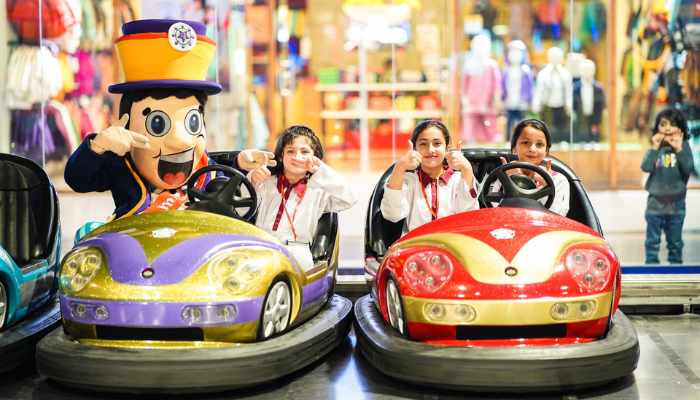
Bumper cars have been a symbol of carefree amusement and laughter for generations. Whether at bustling fairs, vibrant amusement parks, or indoor entertainment centers, these electrifying rides continue to captivate people of all ages. The joy of steering freely, bumping into friends, and embracing the unpredictability of the ride makes bumper cars an unforgettable experience.
From their early mechanical designs to today’s technologically advanced systems, bumper cars have evolved significantly while preserving their playful essence. In this comprehensive guide, we’ll explore everything you need to know about bumper cars—from their fascinating history and how they work to safety measures, modern innovations, and their enduring appeal.
The Fascinating History of Bumper Cars
Bumper cars, also known as dodgems, first appeared in the early 20th century and quickly became a staple in amusement parks worldwide. The earliest versions were introduced in the 1920s, combining basic electric motors with conductive flooring systems. These early rides were simple but revolutionary, allowing riders to control their own vehicles within a confined space for the first time.
As amusement parks grew in popularity, bumper cars became a centerpiece attraction. Their universal appeal lay in their simplicity—no complicated rules, just pure fun. Over the decades, manufacturers improved the design, introducing better steering systems, smoother acceleration, and safer materials. By the mid-20th century, bumper cars had become synonymous with family entertainment.
The evolution didn’t stop there. Today’s bumper cars incorporate advanced engineering, improved safety features, and even digital enhancements. Despite these changes, the core idea remains unchanged: controlled chaos and laughter. This timeless concept is what keeps bumper cars relevant even in an era dominated by high-tech rides and virtual reality experiences.
How Bumper Cars Work: Technology Behind the Fun
At first glance, bumper cars may seem simple, but they rely on clever engineering to operate safely and efficiently. Traditional bumper cars use an electric system powered through a conductive floor and ceiling. Each car is equipped with a pole that connects to an overhead grid, completing an electrical circuit that powers the motor.
When a rider presses the accelerator, electricity flows through the motor, causing the car to move. Steering wheels control the direction, allowing drivers to navigate and collide with others. The entire system is designed to ensure consistent power supply while maintaining safety for all participants.
Modern bumper cars have introduced variations in power systems. Some newer models use rechargeable batteries, eliminating the need for overhead grids. This innovation allows for more flexible designs and outdoor installations. Additionally, improvements in motor efficiency and control systems have made rides smoother and more responsive.
Safety is also integrated into the technology. Cars are surrounded by rubber bumpers to absorb impact, while speed is carefully regulated to prevent injuries. Advanced systems may even include automatic shut-off mechanisms in case of malfunctions, ensuring a secure and enjoyable experience for everyone.
Safety Measures and Guidelines for Bumper Cars
Safety is a crucial aspect of any amusement ride, and bumper cars are no exception. Despite their playful nature, these rides are carefully designed to minimize risks while maximizing enjoyment. One of the primary safety features is the rubber bumper surrounding each car, which absorbs the impact during collisions.
Operators also enforce rules to ensure a safe environment. Riders are typically required to remain seated at all times, keep hands inside the vehicle, and follow instructions given by staff. Age and height restrictions are often in place to ensure that participants can safely control the car and understand the rules.
In addition to physical safety measures, regular maintenance plays a vital role. Amusement parks conduct routine inspections of electrical systems, flooring, and vehicles to ensure everything functions properly. Any faulty components are promptly repaired or replaced to maintain high safety standards.
Parents and guardians also play a role in ensuring safety, especially for younger riders. Supervising children and explaining the basic rules before the ride can help prevent accidents. When everyone follows guidelines, bumper cars remain one of the safest and most enjoyable attractions available.
Modern Innovations in Bumper Cars
In recent years, bumper cars have undergone a technological transformation, incorporating innovations that enhance both entertainment and efficiency. One of the most notable advancements is the introduction of battery-powered bumper cars. These eliminate the need for overhead grids, creating a cleaner and more visually appealing ride environment.
Another exciting development is the integration of LED lighting and sound effects. Modern bumper cars often feature colorful lights, music synchronization, and interactive elements that elevate the overall experience. Some rides even include themes or storytelling components, turning a simple ride into an immersive adventure.
Digital technology has also made its way into bumper cars. Certain attractions now include scoring systems, allowing riders to compete by tagging others or achieving specific objectives. This gamification adds a new layer of excitement and encourages repeat rides.
Additionally, eco-friendly designs are becoming more common. Manufacturers are focusing on energy-efficient motors and sustainable materials to reduce environmental impact. These innovations ensure that bumper cars remain relevant in a world increasingly focused on sustainability and technological advancement.
Why Bumper Cars Remain a Timeless Attraction
Despite the rise of high-tech amusement rides and virtual experiences, bumper cars continue to hold a special place in the hearts of visitors. Their enduring popularity can be attributed to their simplicity and universal appeal. Unlike complex rides that require specific instructions or physical endurance, bumper cars are easy to understand and accessible to almost everyone.
Another reason for their lasting charm is the social interaction they encourage. Friends and family can ride together, laugh, and engage in friendly competition. The unpredictability of the ride—never knowing who you’ll bump into next—adds to the excitement and keeps the experience fresh every time.
Bumper cars also evoke a sense of nostalgia. For many people, riding bumper cars brings back childhood memories of fairs and amusement parks. This emotional connection makes them a must-visit attraction for generations.
Finally, their adaptability ensures they remain relevant. Whether through technological upgrades, themed experiences, or eco-friendly designs, bumper cars continue to evolve while preserving their core essence. This balance between tradition and innovation is what keeps them timeless.
Conclusion
Bumper cars are more than just a ride—they are a celebration of fun, freedom, and connection. From their humble beginnings in the early 20th century to their modern, high-tech versions, they have consistently delivered joy to millions of people around the world.
Their simple yet engaging concept, combined with continuous innovation, ensures they remain a staple in amusement parks and entertainment centers. Whether you’re a first-time rider or a seasoned enthusiast, bumper cars offer an experience that is both thrilling and unforgettable.
As technology continues to advance, one thing is certain: bumper cars will keep evolving while staying true to the playful spirit that made them iconic in the first place.
FAQs About Bumper Cars
1. What are bumper cars?
Bumper cars are small electric vehicles used in amusement rides where participants drive and bump into each other for fun.
2. How do bumper cars get power?
Traditional bumper cars use electricity from a conductive floor and ceiling, while modern versions may use rechargeable batteries.
3. Are bumper cars safe for children?
Yes, bumper cars are generally safe when safety rules are followed and age/height restrictions are observed.
4. Why do bumper cars have rubber bumpers?
The rubber bumpers absorb impact during collisions, reducing the risk of injury.
5. Can adults ride bumper cars?
Absolutely! Bumper cars are designed for both children and adults, making them a family-friendly attraction.
6. How fast do bumper cars go?
Bumper cars typically move at low speeds to ensure safety while still providing excitement.
7. What is the origin of bumper cars?
They originated in the 1920s and quickly became popular in amusement parks worldwide.
8. Do modern bumper cars use batteries?
Yes, many modern bumper cars use battery-powered systems instead of overhead electrical grids.
9. Are there rules for riding bumper cars?
Yes, riders must follow safety guidelines such as staying seated and keeping hands inside the vehicle.
10. Why are bumper cars so popular?
Their simplicity, social interaction, and nostalgic appeal make them a timeless favorite for all ages.